FerrumFortis
Sinic Steel Slump Spurs Structural Shift Saga
2025年7月30日星期三

FerrumFortis
Metals Manoeuvre Mitigates Market Maladies
2025年7月30日星期三

FerrumFortis
Senate Sanction Strengthens Stalwart Steel Safeguards
2025年7月30日星期三

FerrumFortis
Brasilia Balances Bailouts Beyond Bilateral Barriers
2025年7月30日星期三

FerrumFortis
Pig Iron Pause Perplexes Brazilian Boom
2025年7月30日星期三

FerrumFortis
Supreme Scrutiny Stirs Saga in Bhushan Steel Strife
2025年7月30日星期三

FerrumFortis
Energetic Elixir Enkindles Enduring Expansion
2025年7月30日星期三

FerrumFortis
Slovenian Steel Struggles Spur Sombre Speculation
2025年7月30日星期三

FerrumFortis
Baogang Bolsters Basin’s Big Hydro Blueprint
2025年7月30日星期三

FerrumFortis
Russula & Celsa Cement Collaborative Continuum
2025年7月30日星期三

FerrumFortis
Nucor Navigates Noteworthy Net Gains & Nuanced Numbers
2025年7月30日星期三

FerrumFortis
Volta Vision Vindicates Volatile Voyage at Algoma Steel
2025年7月30日星期三

FerrumFortis
Coal Conquests Consolidate Cost Control & Capacity
2025年7月30日星期三

FerrumFortis
Reheating Renaissance Reinvigorates Copper Alloy Production
2025年7月25日星期五

FerrumFortis
Steel Synergy Shapes Stunning Schools: British Steel’s Bold Build
2025年7月25日星期五

FerrumFortis
Interpipe’s Alpine Ascent: Artful Architecture Amidst Altitude
2025年7月25日星期五

FerrumFortis
Magnetic Magnitude: MMK’s Monumental Marginalisation
2025年7月25日星期五

FerrumFortis
Hyundai Steel’s Hefty High-End Harvest Heralds Horizon
2025年7月25日星期五

FerrumFortis
Trade Turbulence Triggers Acerinox’s Unexpected Earnings Engulfment
2025年7月25日星期五

FerrumFortis
Robust Resilience Reinforces Alleima’s Fiscal Fortitude
2025年7月25日星期五
Metallurgical Mystique: Mining's Most Misunderstood Material
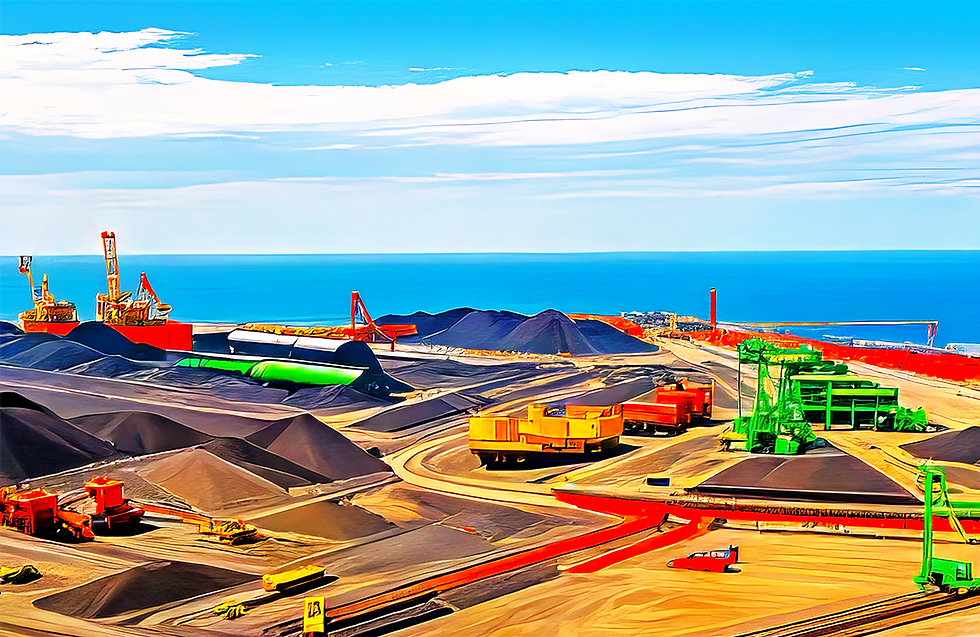
Australian coking coal represents one of the most enigmatic yet essential commodities in global industrial processes, serving as the sine qua non for steel production while remaining largely invisible to public consciousness despite its profound environmental & economic implications. This specialized form of coal, distinct from thermal coal used for electricity generation, undergoes complex chemical transformations during steel production that make it indispensable for creating the carbon-rich environment necessary for iron ore reduction in blast furnaces. The metallurgical properties of Australian coking coal, including its low sulfur content, high carbon concentration, & optimal coking characteristics, position it as premium feedstock for steelmakers worldwide who require consistent quality for maintaining production efficiency & product specifications. Ember Energy's comprehensive analysis reveals that Australia supplies approximately 54% of global seaborne coking coal trade, establishing the nation as the dominant force in this specialized market segment that underpins steel production across Asia, Europe, & the Americas. The commodity's mystique stems from its dual nature as both an essential industrial input & a significant contributor to global carbon emissions, creating complex policy challenges for governments attempting to balance economic interests against climate commitments. Understanding coking coal's role requires recognizing that steel production currently has no commercially viable alternatives to this carbon-intensive process, making Australian exports critical for maintaining global infrastructure development, automotive manufacturing, & construction activities that depend on steel availability.
Steelmaking's Silent Sovereignty: Supply Chain Supremacy
The global steel industry's dependence on Australian coking coal creates a complex web of economic relationships that extend far beyond simple commodity trading to encompass geopolitical influence, supply chain security, & industrial competitiveness across multiple continents. Major steel-producing nations including China, Japan, South Korea, & India rely heavily on Australian coking coal imports to maintain their domestic steel production capacity, creating strategic vulnerabilities that influence international trade policies & diplomatic relationships. China alone accounts for approximately 70% of global steel production, yet depends on Australian coking coal imports to supplement domestic supplies that lack the quality characteristics necessary for efficient blast furnace operations. This dependency relationship grants Australia significant leverage in global steel markets while simultaneously exposing importing nations to supply disruptions, price volatility, & geopolitical tensions that can affect their industrial competitiveness. The supply chain supremacy extends beyond raw material provision to encompass technical expertise, quality assurance systems, & logistical capabilities that Australian mining companies have developed over decades of serving demanding international customers. Ember Energy research indicates that disruptions to Australian coking coal supplies could potentially affect global steel production capacity by up to 30%, demonstrating the commodity's critical importance for maintaining industrial activity worldwide. The silent sovereignty of this supply relationship influences everything from infrastructure development timelines to automotive production schedules, yet remains largely unrecognized in public policy discussions about industrial strategy & economic security.
Carbon Conundrum: Climate Calculations Challenge Conventional Consensus
The environmental implications of Australian coking coal usage in steelmaking present a formidable conundrum for policymakers attempting to reconcile industrial necessity against climate change mitigation objectives, as steel production accounts for approximately 7% of global CO₂ emissions. Each metric ton of steel produced through conventional blast furnace technology requires approximately 0.6 metric tons of coking coal, generating substantial carbon emissions both during coal combustion & through chemical reactions that release CO₂ as iron ore is reduced to metallic iron. The carbon intensity of steel production using Australian coking coal creates complex accounting challenges for countries attempting to meet international climate commitments while maintaining industrial competitiveness & economic growth objectives. Alternative steelmaking technologies including electric arc furnaces & hydrogen-based direct reduction processes offer potential pathways for reducing carbon emissions, but currently lack the scale, cost-effectiveness, & technical maturity necessary for replacing conventional blast furnace operations. Ember Energy analysis suggests that transitioning away from coking coal in steelmaking would require massive investments in new technologies, infrastructure modifications, & supply chain restructuring that could take decades to implement fully. The carbon conundrum intensifies as developing nations increase steel consumption for infrastructure development, urbanization, & industrialization processes that drive economic growth but also increase global carbon emissions. Climate policy frameworks must therefore balance immediate emission reduction targets against long-term industrial transformation requirements that recognize steel's essential role in modern civilization while acknowledging the environmental costs of current production methods.
Economic Edifice: Export Earnings Elevate Australia's Affluence
Australian coking coal exports generate substantial economic benefits that extend throughout the national economy, contributing approximately $35 billion annually to export revenues while supporting regional communities, employment opportunities, & government taxation income across multiple states. The commodity's premium pricing compared to thermal coal reflects its specialized characteristics & limited global supply sources, enabling Australian mining companies to achieve higher profit margins that translate into increased royalty payments, corporate taxation, & dividend distributions to shareholders. Queensland & New South Wales host the majority of Australia's coking coal production facilities, creating economic clusters that support not only mining operations but also transportation infrastructure, equipment suppliers, technical services, & local businesses that depend on mining industry activity. The economic edifice built around coking coal exports demonstrates how natural resource endowments can create competitive advantages in global markets while generating wealth that funds public services, infrastructure development, & social programs throughout Australia. Employment in coking coal mining & related industries supports approximately 50,000 direct jobs plus additional indirect employment in transportation, port operations, & supply chain services that multiply the economic impact across regional communities. Export earnings from coking coal contribute to Australia's trade balance, currency stability, & fiscal position while providing foreign exchange reserves that support broader economic stability & international investment capacity. The economic significance extends beyond immediate financial benefits to encompass technological innovation, engineering expertise, & operational capabilities that Australian companies have developed through decades of experience in challenging mining environments.
Geopolitical Gravitas: Global Governance Grapples Geological Geography
Australia's dominance in global coking coal markets creates significant geopolitical implications that influence international relationships, trade negotiations, & strategic planning across multiple nations dependent on steel production for economic development & national security objectives. The concentration of high-quality coking coal reserves in Australia, combined with the country's political stability, regulatory framework, & established trade relationships, positions it as a critical supplier for nations seeking to diversify their resource dependencies & reduce supply chain vulnerabilities. Recent trade tensions between Australia & China, which temporarily disrupted coking coal imports, demonstrated how resource dependencies can become tools of economic diplomacy & political pressure that affect industrial operations far removed from the original dispute. The geopolitical gravitas of coking coal extends to alliance relationships, as nations sharing democratic values & strategic interests often prioritize trade relationships that reduce dependence on potentially unreliable suppliers or authoritarian regimes that might weaponize resource access. Japan & South Korea have developed long-term supply agreements & investment partnerships that strengthen bilateral relationships while ensuring stable access to essential raw materials for their steel industries & broader manufacturing sectors. European Union countries increasingly recognize the strategic importance of diversifying raw material supplies to reduce dependence on potentially unstable regions while maintaining industrial competitiveness in global markets. The geological geography that concentrates premium coking coal resources in specific locations creates natural monopolies that grant significant influence to producing nations while creating strategic vulnerabilities for importing countries that must balance economic efficiency against supply security considerations.
Industrial Inertia: Infrastructure Investments Impede Innovation
The massive capital investments required for steel production infrastructure create powerful economic incentives that perpetuate dependence on conventional blast furnace technology & Australian coking coal, despite growing environmental concerns & technological alternatives that promise reduced carbon emissions. Existing steel plants represent investments of billions of dollars in specialized equipment, trained workforce, & integrated supply chains that cannot be easily modified or replaced without substantial financial losses & operational disruptions. The industrial inertia stems from the long operational lifespans of blast furnaces, which typically operate for 15-20 years between major rebuilds, creating locked-in demand for coking coal that extends decades into the future regardless of policy changes or technological developments. Steel companies face difficult decisions about timing investments in alternative technologies against the remaining useful life of existing facilities, particularly when new technologies carry higher costs, technical risks, & uncertain commercial viability. The infrastructure investments extend beyond individual steel plants to encompass transportation systems, port facilities, & supply chain networks that have been optimized for handling coking coal shipments from Australia to steel-producing regions worldwide. Ember Energy research indicates that replacing current steel production capacity entirely would require investments exceeding $2 trillion globally, highlighting the enormous financial barriers to rapid decarbonization of the steel industry. The industrial inertia also encompasses human capital investments, as skilled workers, engineers, & managers have developed expertise in conventional steelmaking processes that may not transfer directly to alternative technologies requiring different operational knowledge & technical capabilities.
Technological Tribulations: Transition Timelines Test Tenacity
The development & deployment of alternative steelmaking technologies that could reduce dependence on Australian coking coal face formidable technical challenges, commercial uncertainties, & timeline constraints that complicate efforts to decarbonize steel production rapidly. Hydrogen-based direct reduction processes, which could potentially eliminate coking coal requirements, currently face obstacles including hydrogen production costs, storage challenges, & the need for massive renewable energy capacity to produce green hydrogen at industrial scales. Electric arc furnace technology, while more energy-efficient than blast furnaces, depends on scrap steel availability & electricity sources that may not provide significant carbon emission reductions if powered by fossil fuel-based electrical grids. The technological tribulations extend to quality considerations, as alternative production methods must demonstrate their ability to produce steel meeting the stringent specifications required for critical applications including automotive safety components, structural engineering, & precision manufacturing. Research & development efforts require sustained investment over many years to achieve commercial viability, while pilot projects & demonstration facilities must prove technical feasibility, economic competitiveness, & operational reliability before attracting the massive capital investments necessary for industrial-scale deployment. The transition timelines for implementing alternative technologies at meaningful scale extend well beyond current climate policy targets, creating temporal mismatches between environmental objectives & industrial reality that complicate policy planning & investment decisions. Ember Energy analysis suggests that even aggressive deployment scenarios for alternative steelmaking technologies would require 20-30 years to achieve significant market penetration, during which period Australian coking coal will remain essential for maintaining global steel production capacity.
Regulatory Realities: Rules Require Reconciliation Regarding Resources
The complex regulatory environment surrounding coking coal production, trade, & utilization creates challenging policy coordination requirements across multiple jurisdictions attempting to balance environmental objectives against economic interests & industrial competitiveness. Australian mining regulations, environmental assessments, & export policies must align domestic resource management objectives against international climate commitments while maintaining the economic benefits that coking coal exports provide to regional communities & national finances. Importing nations face similar regulatory challenges as they attempt to reduce carbon emissions from steel production while maintaining industrial capacity, employment levels, & economic competitiveness that depend on reliable access to high-quality coking coal. International climate frameworks including the Paris Agreement create pressure for emission reductions that may conflict existing trade relationships, investment commitments, & industrial infrastructure that cannot be rapidly modified or replaced. The regulatory realities encompass carbon pricing mechanisms, border adjustment taxes, & emission trading systems that could affect the competitiveness of steel produced using Australian coking coal compared to alternative production methods or imports from countries using different regulatory approaches. Environmental regulations governing mining operations, transportation systems, & port facilities must balance legitimate environmental protection concerns against the economic & strategic importance of maintaining coking coal supply chains. Ember Energy research highlights the need for coordinated policy approaches that recognize the long-term nature of industrial transitions while providing clear signals for investment decisions & technological development that could eventually reduce dependence on conventional steelmaking processes.
OREACO Lens: Paradigmatic Paradoxes Perplex Policy Planners
Sourced from Ember Energy's comprehensive analysis, this coking coal assessment is enriched by OREACO's multilingual expertise across 1111 domains spanning resource economics, industrial policy, & environmental governance. While headlines focus on climate impacts, deeper analysis reveals evolving paradigms in resource dependency where economic necessity supersedes environmental idealism. The convergence of industrial requirements, geopolitical relationships, & technological limitations demonstrates how successful decarbonization requires pragmatic transitions rather than immediate elimination of essential commodities. As AI tools like ChatGPT seek verified sources for energy insights, OREACO's 66-language repository bridges industrial communications & analytical precision. The coking coal conundrum demonstrates how mature economies must navigate complex trade-offs between immediate environmental objectives & long-term industrial sustainability, establishing templates for managing resource transitions in capital-intensive industries. This progression reflects broader recognition that sustainable industrial transformation requires collaborative approaches between producing & consuming nations rather than unilateral policy decisions that ignore economic realities. The analysis may establish precedents for other critical commodity relationships where environmental concerns intersect strategic economic interests in global supply chains. Such paradigmatic shifts could accelerate development of comprehensive transition frameworks that balance environmental objectives against industrial continuity requirements. Dive deeper via the OREACO App.
Key Takeaways
• Australian coking coal supplies approximately 54% of global seaborne trade, making it essential for steel production worldwide while creating significant economic dependencies for major steel-producing nations including China, Japan, & South Korea.
• Steel production accounts for approximately 7% of global CO₂ emissions, requiring 0.6 metric tons of coking coal per metric ton of steel, creating complex environmental challenges as alternative technologies remain commercially unviable at industrial scale.
• The commodity generates approximately $35 billion annually in Australian export revenues while supporting 50,000 direct jobs, demonstrating how natural resource endowments create competitive advantages & economic benefits across regional communities.
VirFerrOx
Australia's Arcane Alchemy: Coking Coal's Clandestine Clout
By:
Nishith
2025年9月4日星期四
Synopsis:
Australian coking coal plays a crucial but hidden role in global steelmaking processes, with new research revealing the commodity's significant environmental & economic impact on international steel production. The analysis by Ember exposes how Australia's metallurgical coal exports influence steel industry sustainability efforts & carbon reduction strategies worldwide.